
Optimization of an osmosis unit by replacing the membranes
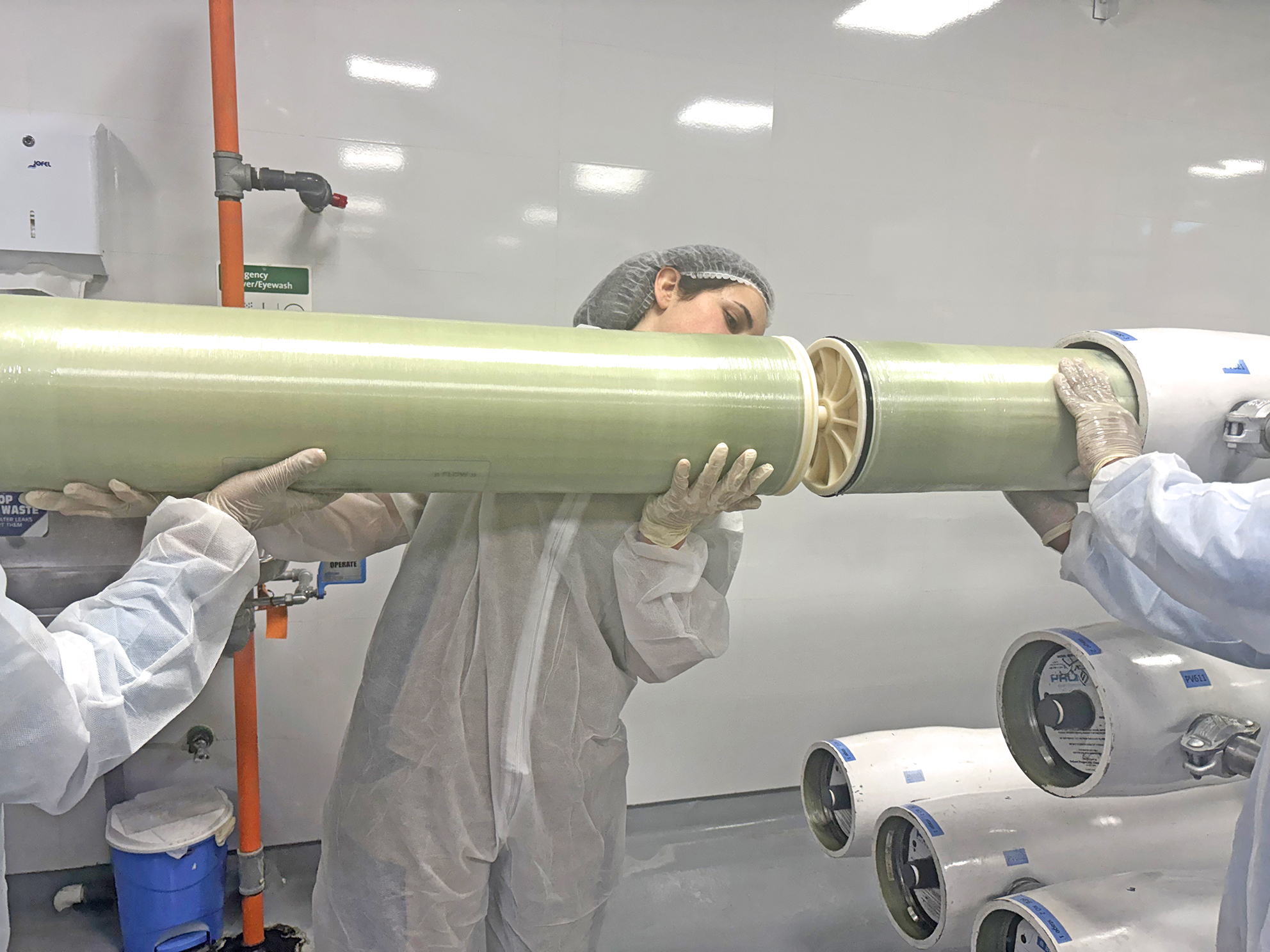
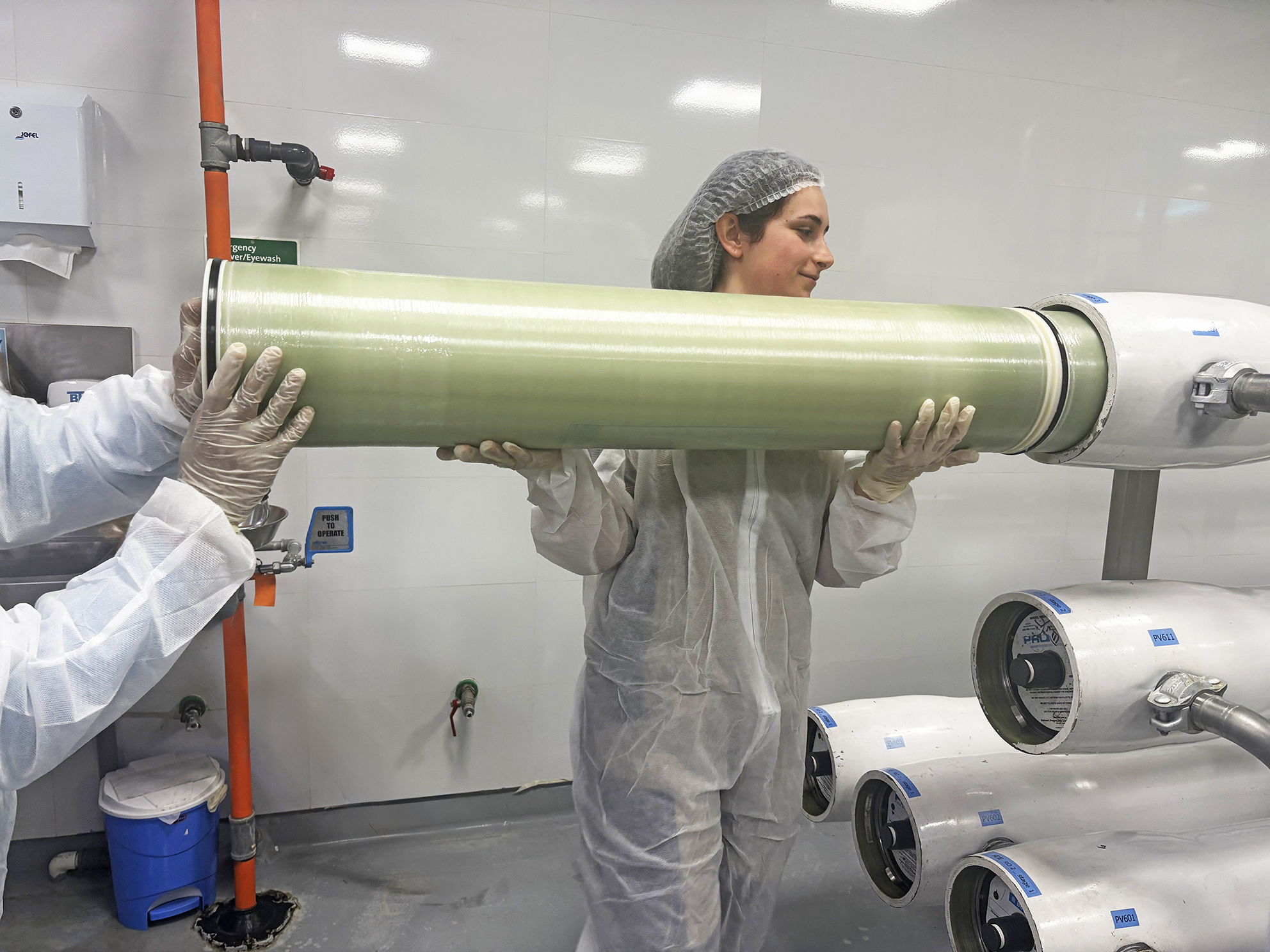
The replacement of membranes is a strategic operation: each intervention on a reverse osmosis system is much more than simply replacing consumables. It is a precision technical operation designed to restore the hydraulic performance, permeate quality, and overall reliability of the installation on a long-term basis.
Anticipating the technical consequences of replacing reverse osmosis membranes
Using our modeling software is a key step before replacing any membranes. Modeling allows us to accurately anticipate the technical consequences of replacement on the installation. Replacing a membrane is not simply a matter of removing a worn component: each change can impact operating pressure, flow rate, conversion rate, the risk of scaling, and even permeate quality. These variations depend on both the characteristics of the new membrane and the actual operating conditions. Modeling analyzes these interactions upstream, provides reliable answers, and ensures a safe decision.
We have developed our tool based on forty years of expertise in water treatment, informed by in-depth knowledge of the field and the collection of multifactorial data from real-world operating situations. The software incorporates advanced calculations and takes into account the specific operating conditions of each facility in order to provide a realistic and actionable projection.
Why replace reverse osmosis membranes?
Membranes are at the heart of the reverse osmosis process. They separate purified water (permeate) from concentrated elements (concentrate or reject).
Over time, several phenomena can alter their performance: particle or organic clogging, mineral precipitation (scaling), microbiological growth (biofouling), and chemical degradation.
These phenomena generally lead to a decrease in permeate flow, an increase in differential pressure, a deterioration in the quality of the water produced, and an increase in energy consumption.
Jamal Ouidirène, Sales Director: « Acting at the right time is therefore strategic in order to maintain the overall performance of the installation and avoid excessive energy consumption or quality deterioration. »
The replacement of reverse osmosis membranes must follow a rigorous and expert methodology.
Complete inspection of the permeate outlet side
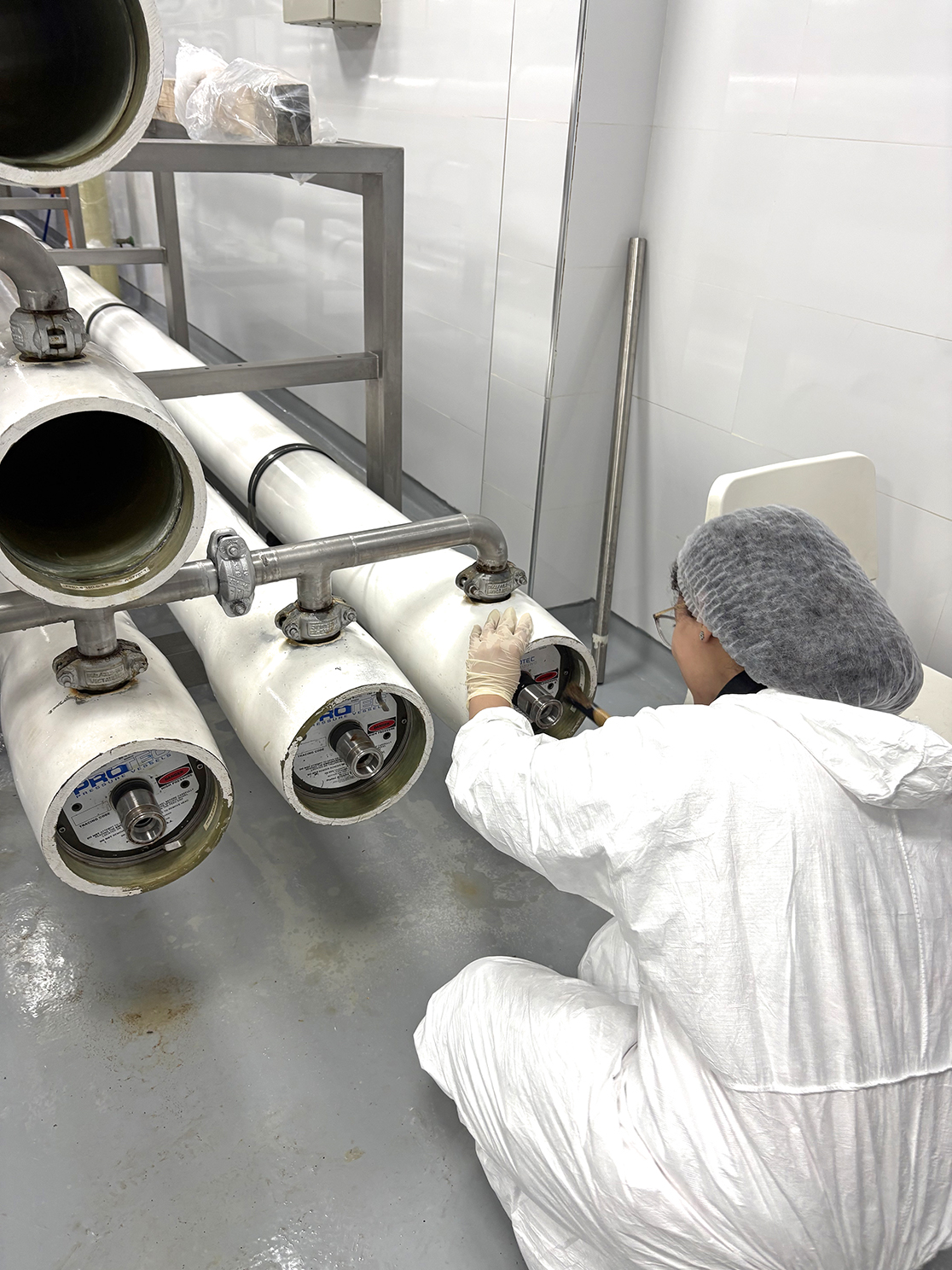
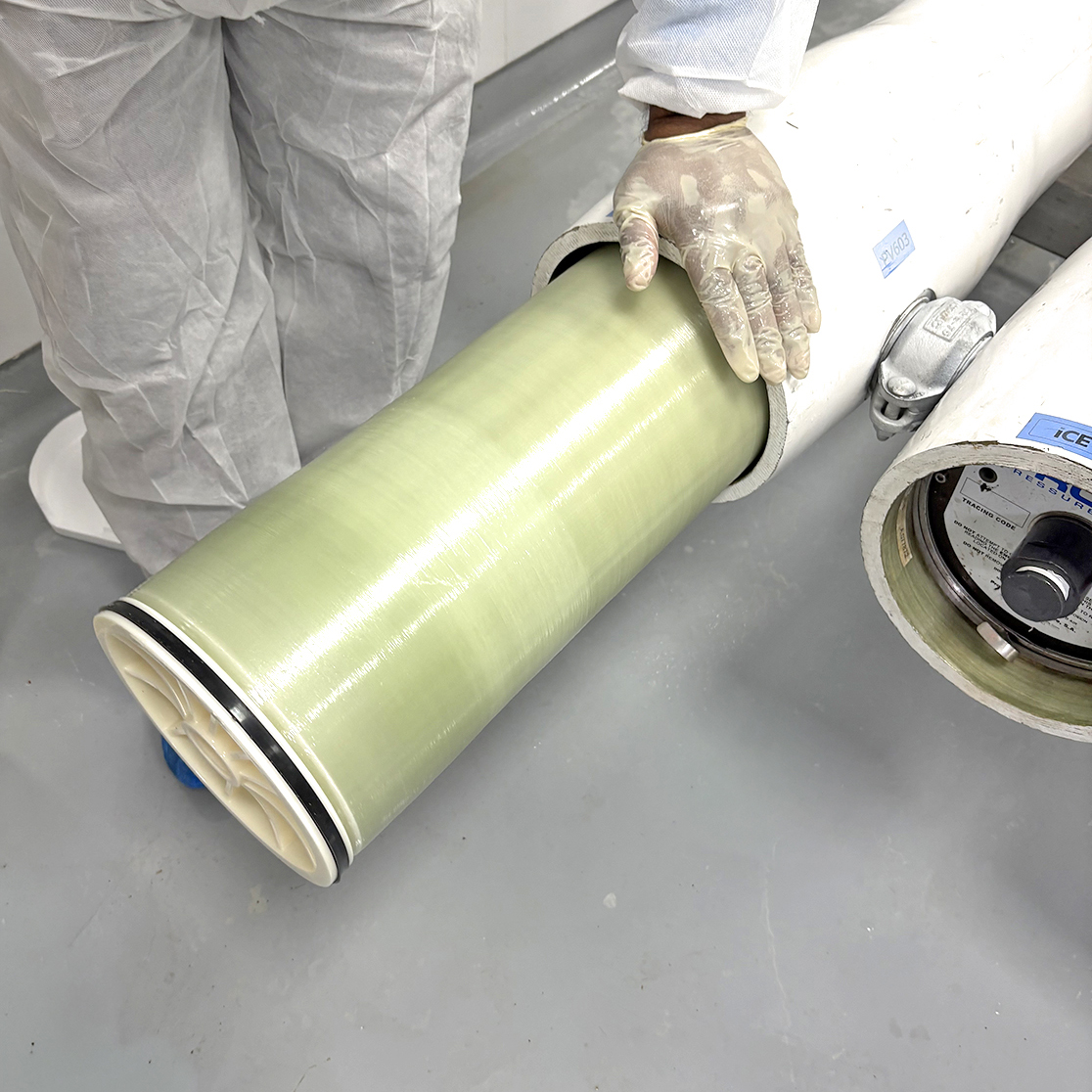
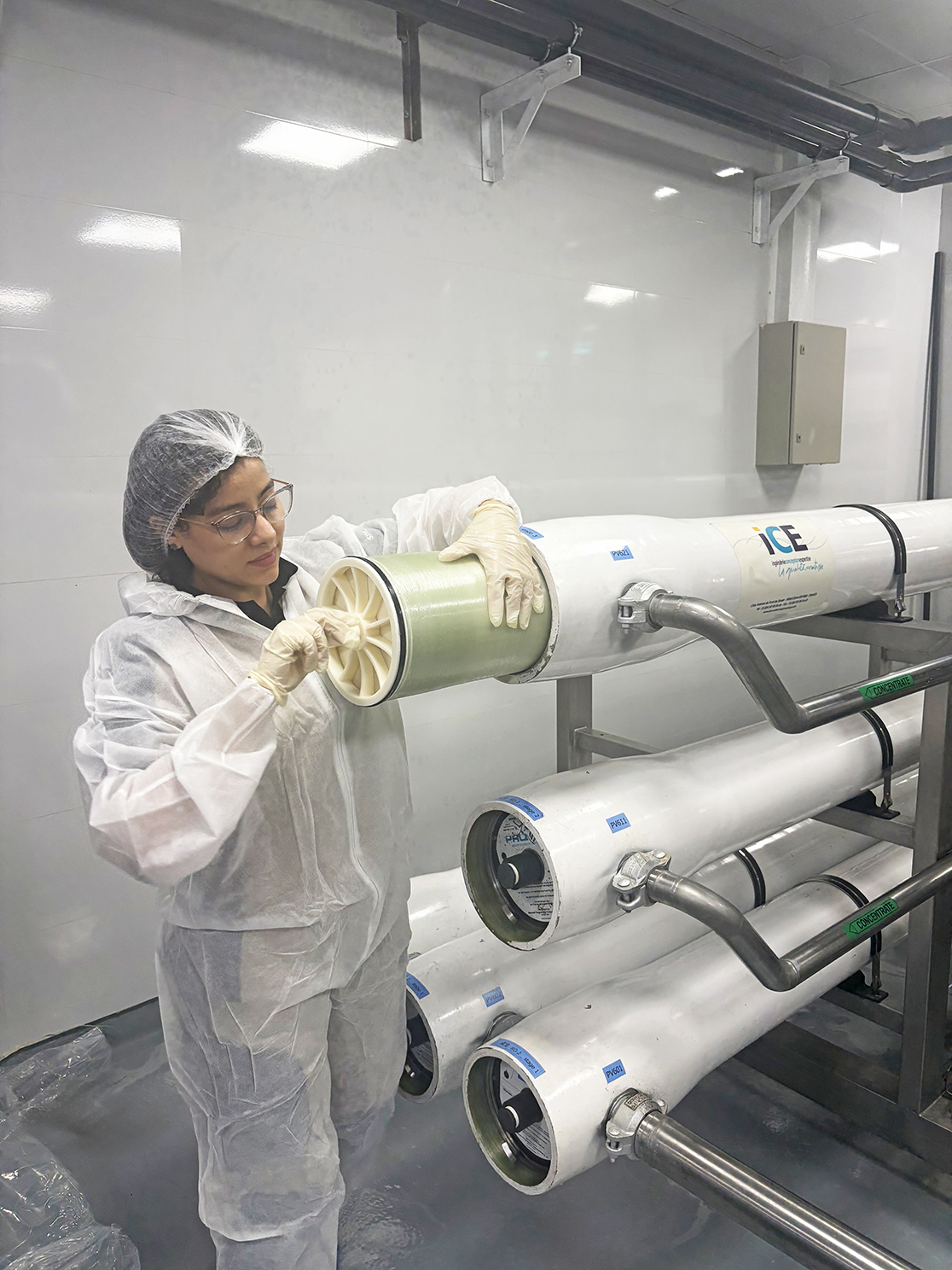
Before any refurbishment, our technicians carry out a thorough inspection of the mechanical components associated with the membranes: checking the condition of the flanges, inspecting the permeate ports, checking the thrust cones, and verifying the integrity of the permeate tubes.
This step is essential. Misalignment, microcracks, or damaged seals can compromise internal sealing and cause cross-contamination between concentrate and permeate.
Concentrate inlet side analysis: clogging diagnosis
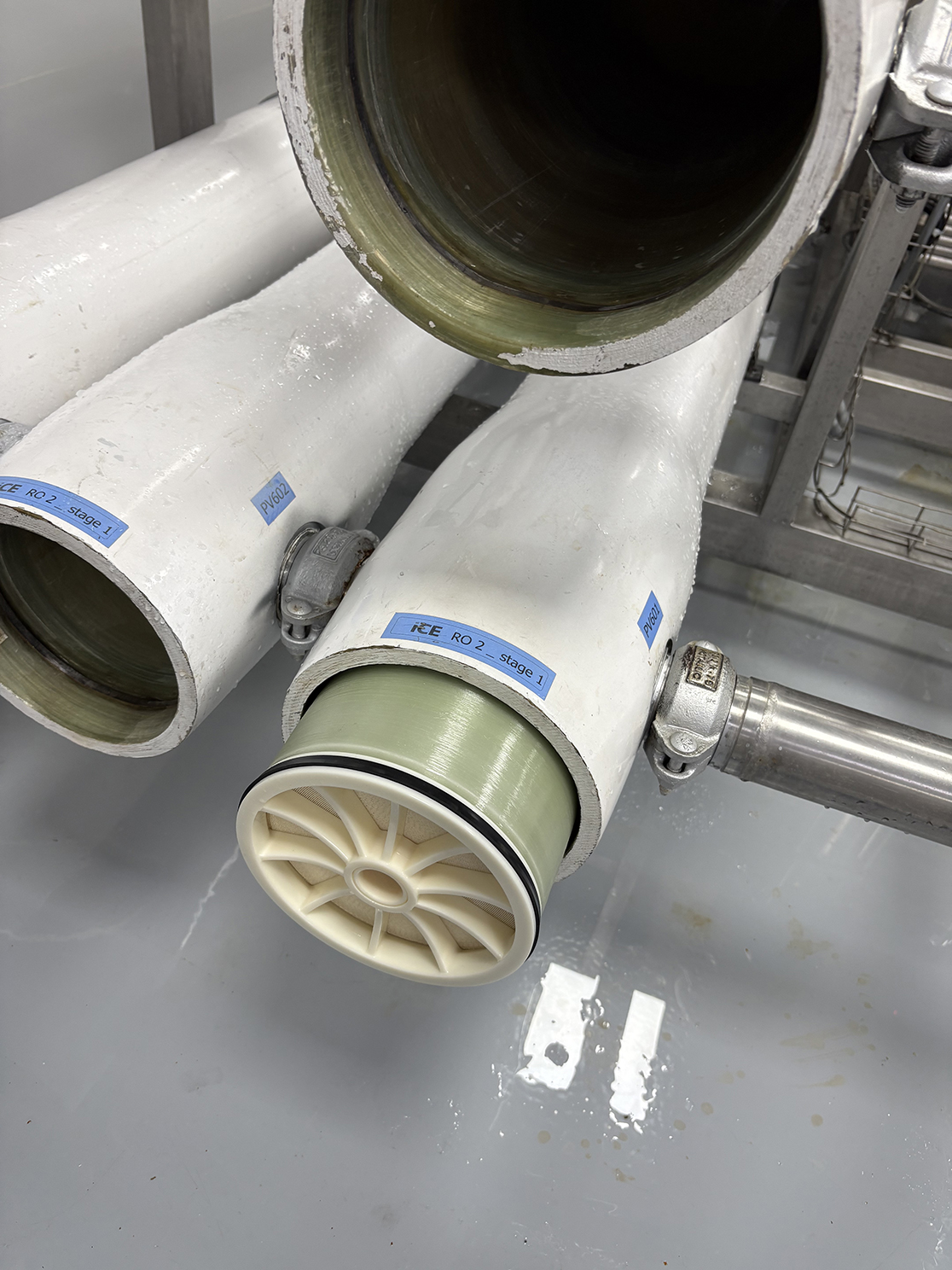
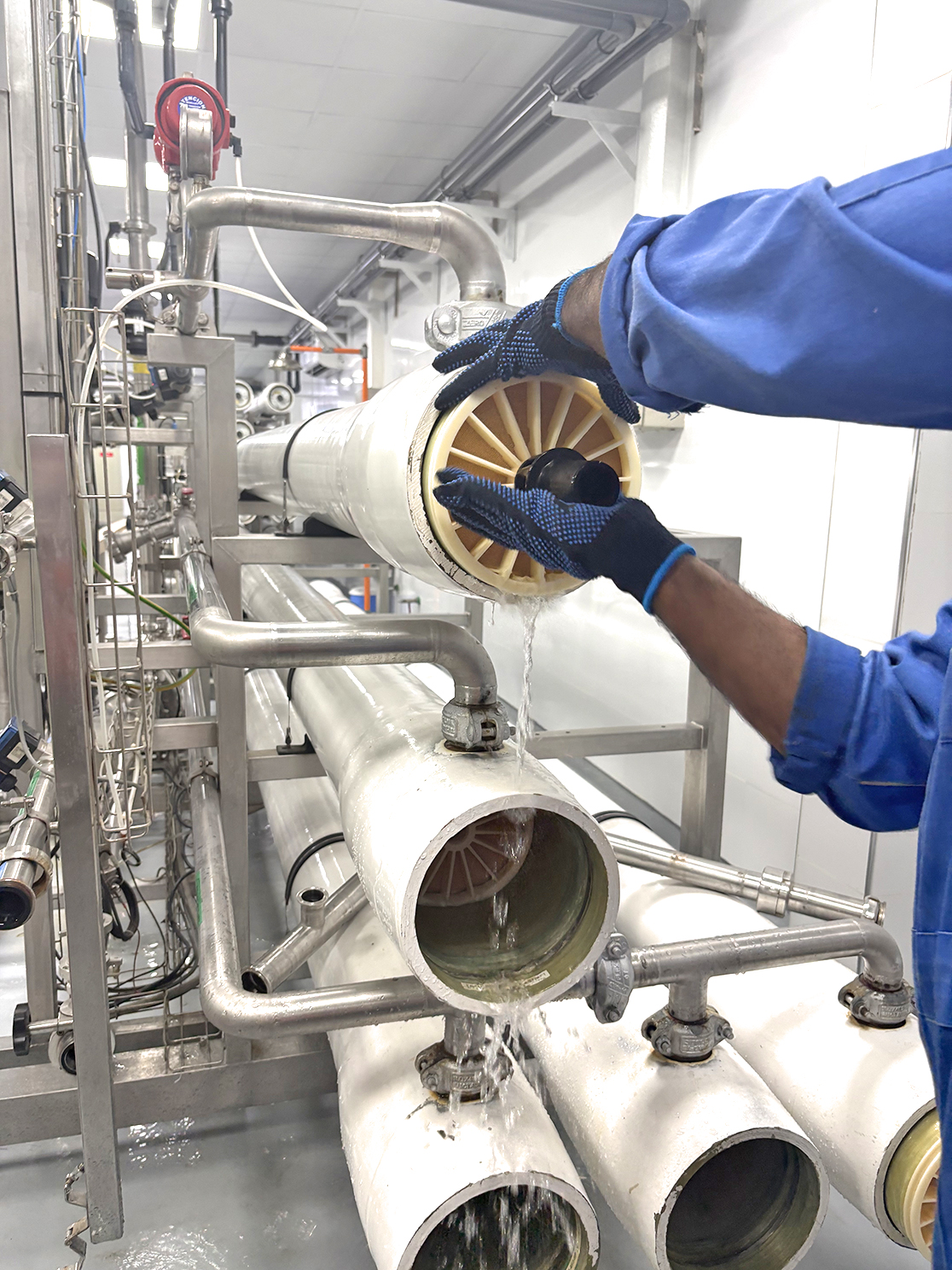
On the concentrate inlet side, the deposited membranes are carefully examined. This analysis makes it possible to identify the dominant type of saturation, assess the uniformity of clogging, and determine the appropriate cleaning protocol.
Fatima El Akrout, Project Manager: « In some cases, we observe the presence of biofouling in the collected effluent, recognizable by its viscous and floating texture. This microbiological development forms a biofilm on the surface of the membranes, greatly reducing the active filtration surface area and increasing pressure losses. »
Rita Abi Aad, Project Manager: « For the technicians involved, accurately identifying the nature of the blockage is crucial to optimizing the strategy for restoring service. This determines all future operations. »
Disinfection and securing of the permeate circuit
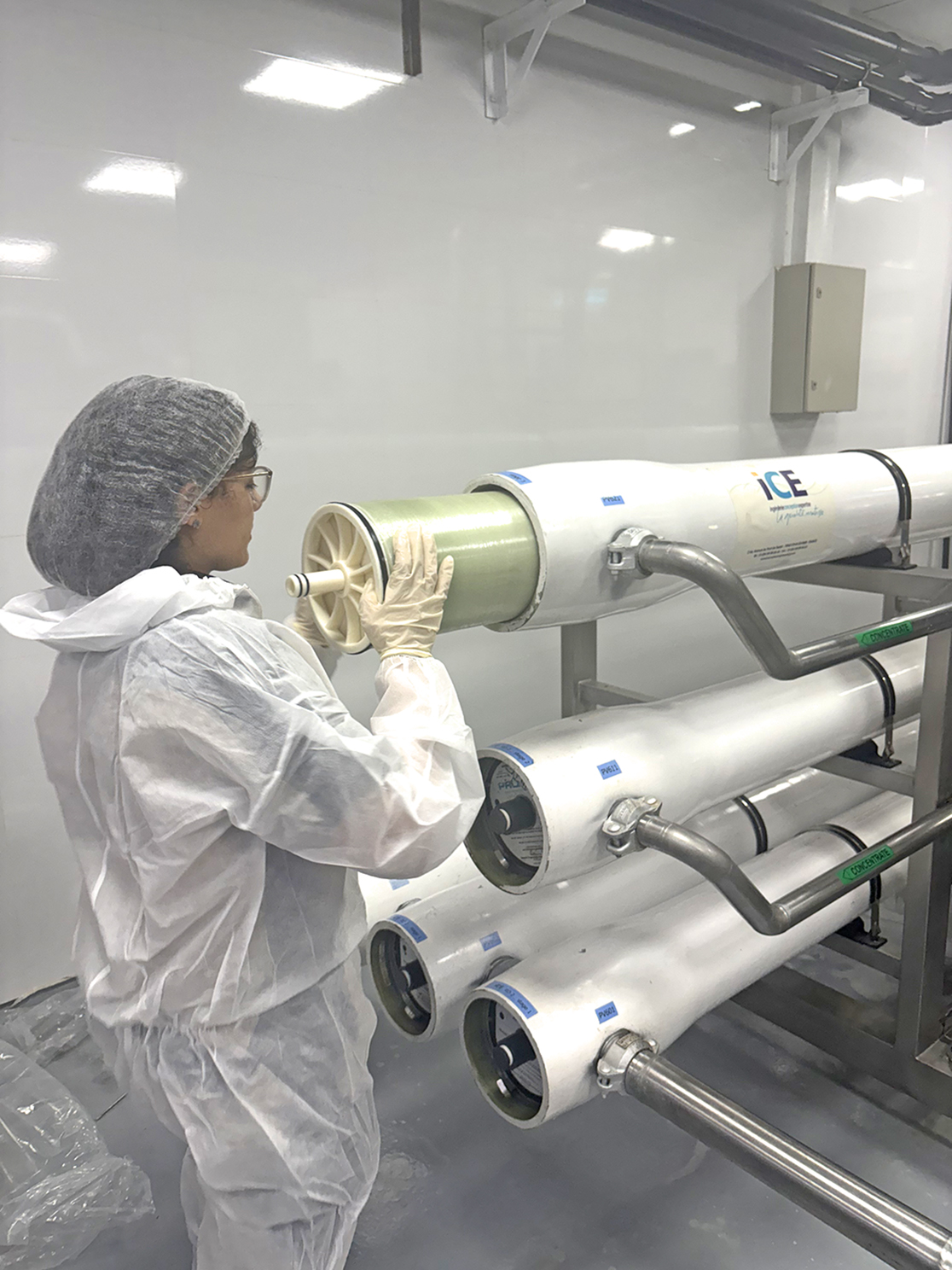
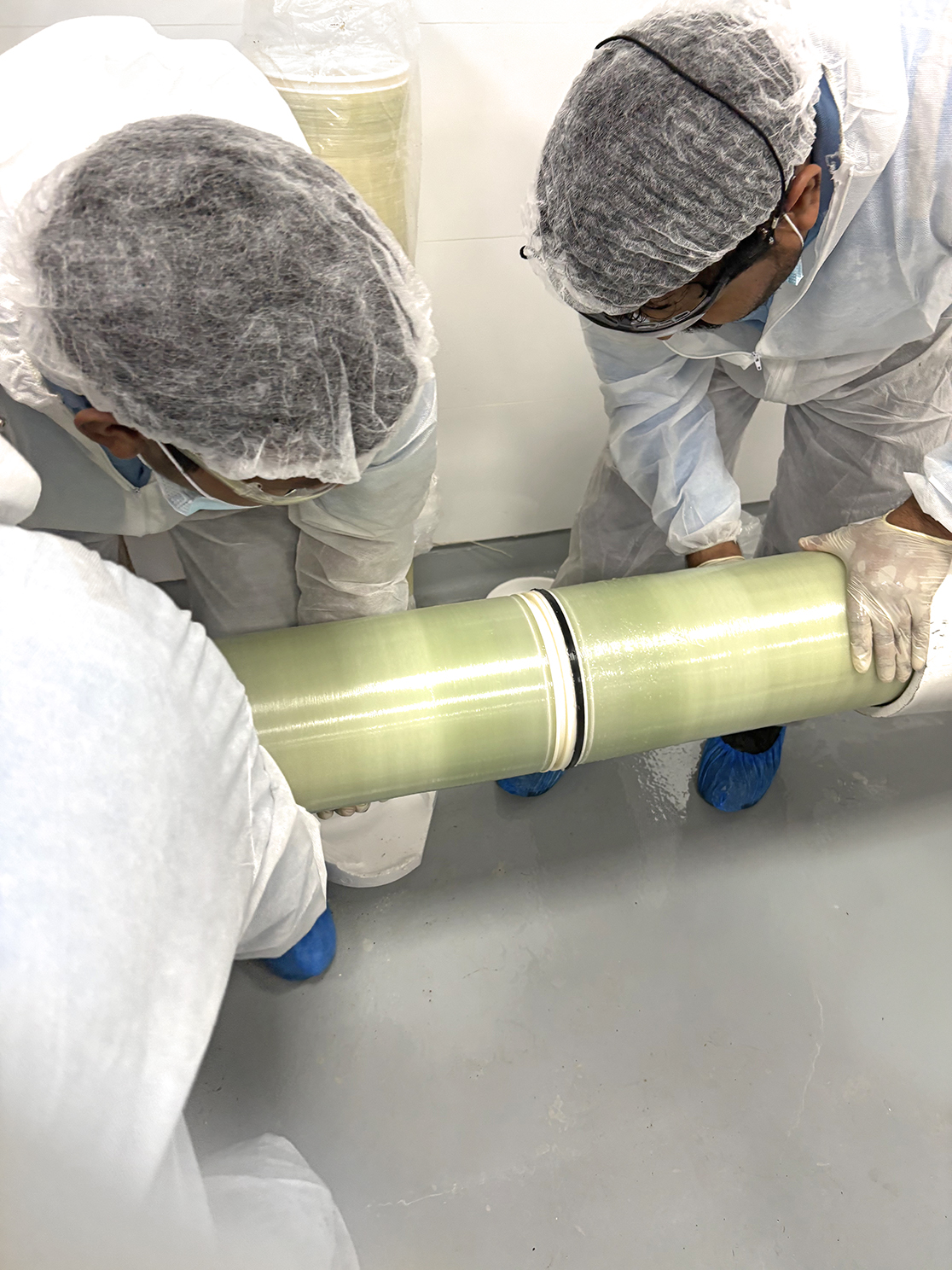
Before replacing the new membranes, the flanges are carefully disinfected, the contact surfaces are cleaned, and the permeate tubes are checked and then connected with precision.
This step is crucial to prevent any microbiological recontamination of the system, particularly after biofouling has been detected.
All operations are carried out in strict compliance with industrial hygiene measures: appropriate protective equipment, controlled handling procedures, and control of cross-contamination risks.
Implementation of a targeted and optimized CIP
Once the new membranes have been installed, a CIP (Cleaning In Place) is performed.
Unlike standard cleaning, we systematically adapt:
- The nature of chemical solutions
- Cleaning pH
- Temperature
- Contact times
- Circulation speeds
Depending on the type of clogging identified, cleaning will be alkaline or acidic, and a specific biocide treatment will be applied in case of biofouling.
The objective is twofold: to completely clean the system and optimize the operating conditions of the new membranes as soon as they are put into service.
Result: thanks to the replacement of the reverse osmosis membranes, a fully optimized osmosis unit.
Following this intervention, our customers recover a better permeate flow rate. They see an improvement in the quality of the water produced, a decrease in differential pressure, a reduction in energy consumption, and ultimately better operational stability!
Beyond the physical replacement of the membranes, the entire reverse osmosis process is optimized.
Expertise that goes beyond replacing reverse osmosis membranes
At ICE Water Management, our added value is based on:
- Precise diagnostic capabilities
- In-depth understanding of clogging phenomena
- Customized chemical and hydraulic adaptation
- Strict control of industrial hygiene protocols
Each intervention is also an opportunity to analyze the causes of clogging in order to propose pre-treatment adjustments, CIP sequence optimization, and operating recommendations to extend the life of the membranes.
Maintaining performance over time
Effective reverse osmosis is not just a question of equipment: it is a question of expertise, rigor, and foresight.
By entrusting the replacement and optimization of their membranes to ICE Water Management, our customers ensure:
- The quality of their process water
- The continuity of their production
- Control over their operating costs
- The sustainability of their facility
Because in the food and beverage industry, water performance determines overall performance.
If you would like to assess the condition of your reverse osmosis membranes or optimize the performance of your system, our experts are available to provide you with a personalized technical diagnosis:
Discover ICE WATER MANAGEMENT’s success stories here.
©ICE Water Management-N.ICE
article 2026